




Almost half of all child deaths are caused by or related to hunger.
In the 21st century, it seems like we have more food available than ever before. Grocery stores are filled with produce, bread, meat, rice, and everything in between. Food review videos trend on social media. Fast-food restaurants are everywhere, even in rural areas.
So why are so many children around the world going hungry?
What is Childhood Malnutrition?
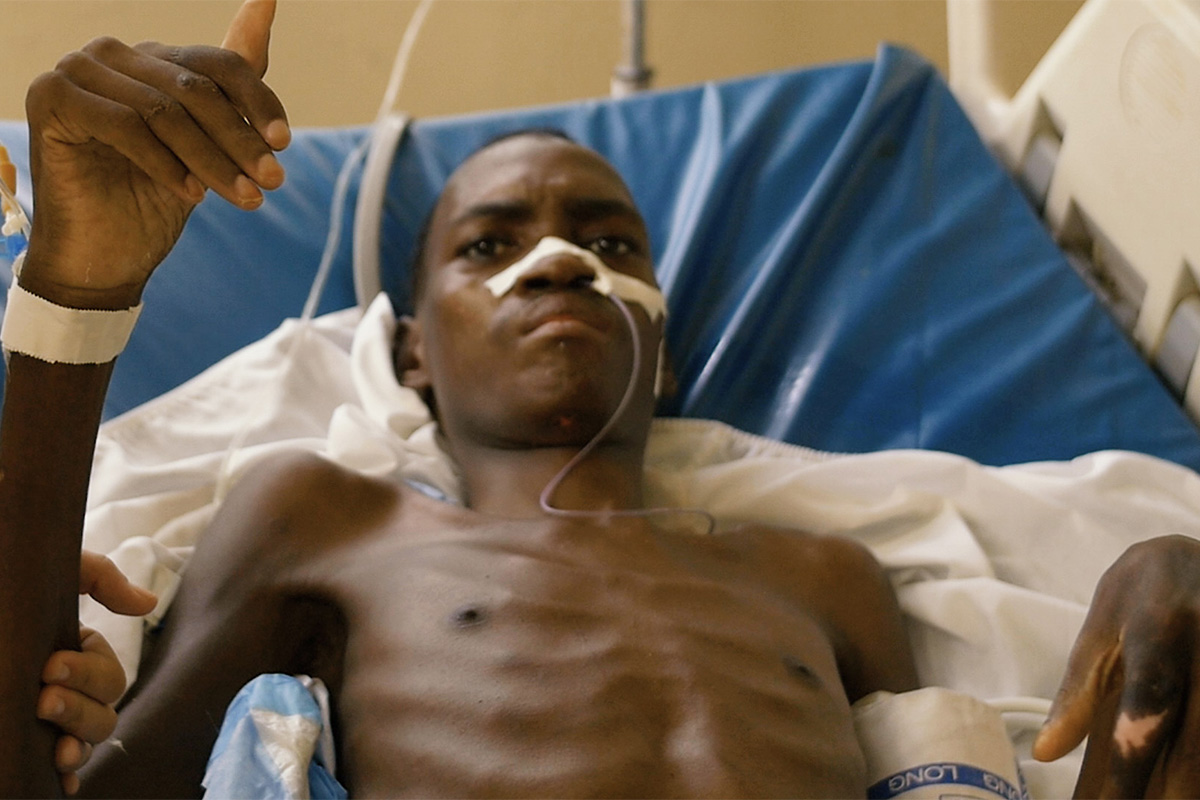
Malnutrition affects a child’s entire body
According to the Cleveland Clinic, malnutrition is “an imbalance between the nutrients your body needs to function and the nutrients it gets.”
Every year, 43 million children suffer from the effects of malnutrition. Their bodies waste away as starvation wreaks havoc on their health.
The initial symptoms are mild, similar to what many of us experience when we skip meals: fatigue, lack of focus, irritability, and headaches.
But when a child becomes severely malnourished, their body uses up fat stores and breaks down muscle for energy, causing them to lose weight rapidly. Their bones also become brittle, which can make even walking difficult.
As serious as those symptoms are, they’re just the beginning. Malnutrition severely weakens a child’s immune system, so even a mild virus can become deadly. If the child doesn’t receive emergency food in time, their organs eventually shut down, causing cardiac arrest. Death isn’t far behind.
The Long-Term Effects of Childhood Malnutrition
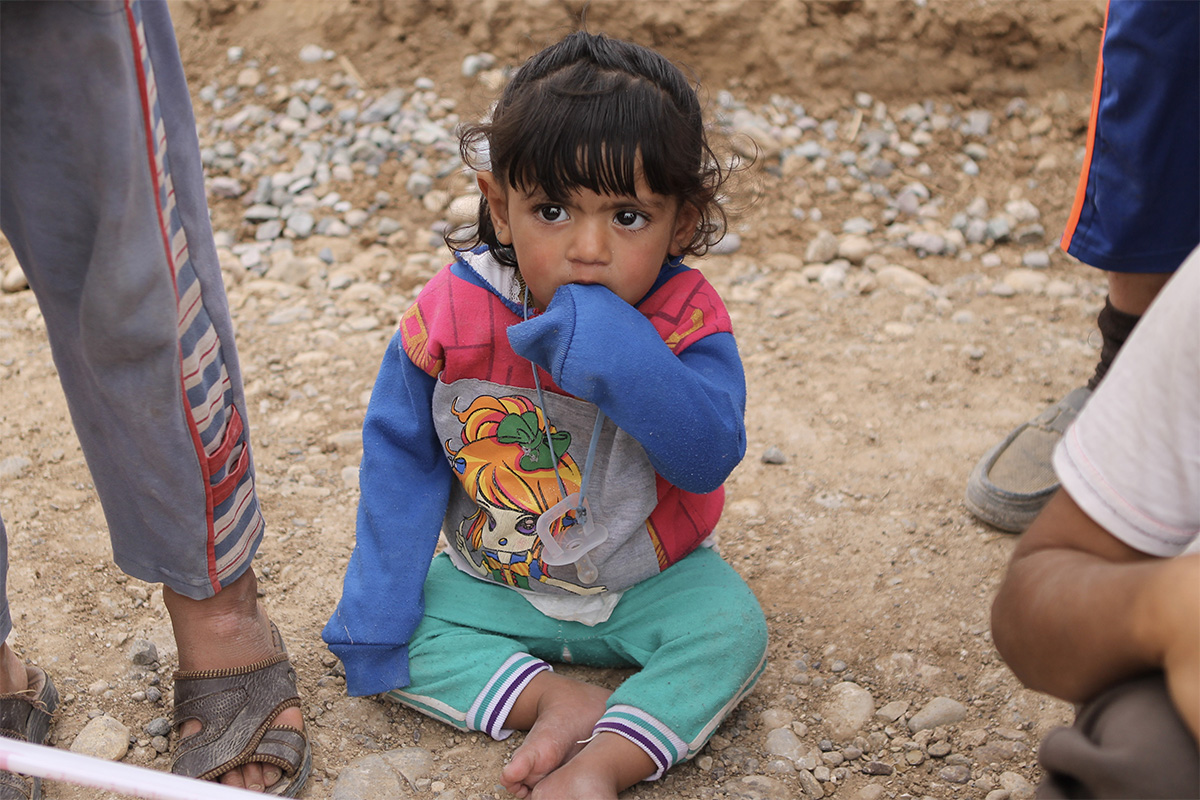
Countless children have known little except hunger since they were born
Even if a child does survive malnutrition, they often face long-term consequences — especially if it occurred early in their life.
The first 1,000 days of a child’s life are a crucial time for development. When they don’t get the nutrients they need during that critical window, they can experience physical and cognitive stagnation. Stunted development can manifest as learning difficulties, short stature, and weakened immunity.
Many children who were malnourished early in life do poorly in school and struggle to find good-paying jobs as adults. As a result, the cycle of poverty and malnutrition continues from one generation to the next.
Why Are So Many Children Malnourished?
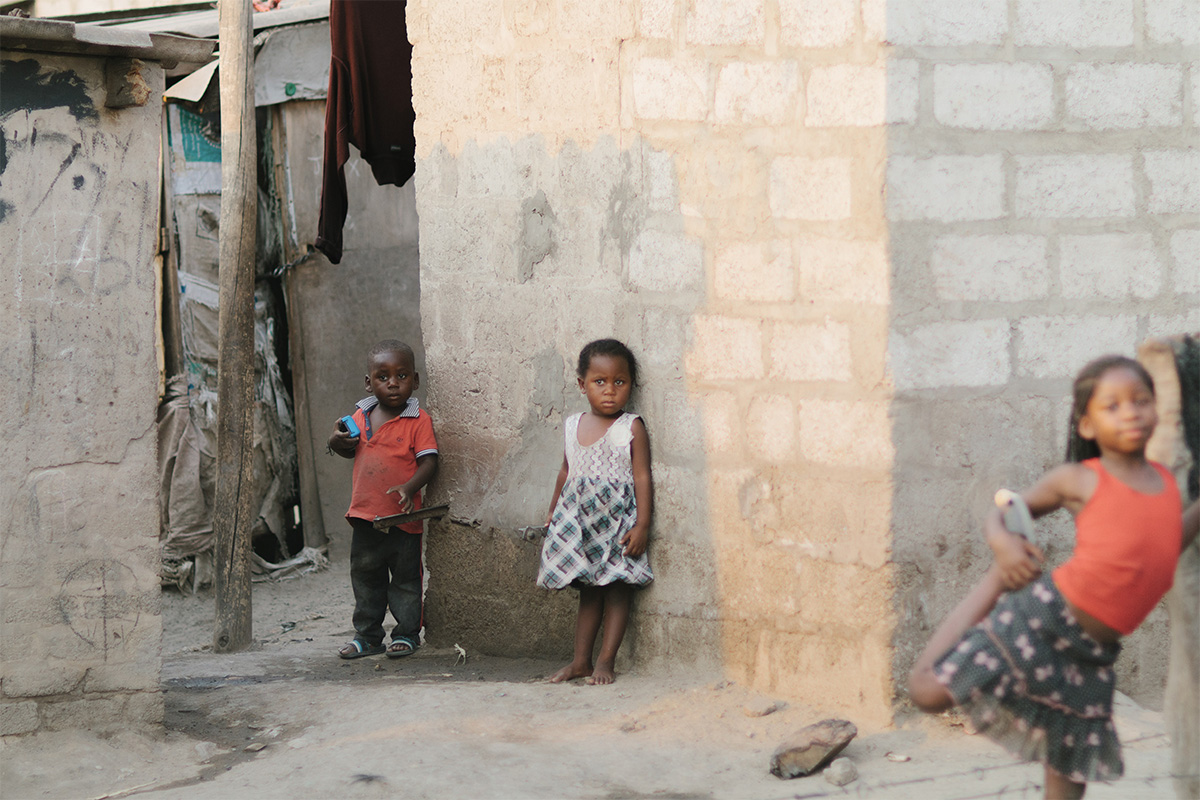
Malnutrition has several causes and affects millions of children worldwide
Starvation is excruciating for anyone, especially a child. Sadly, people experience it every day around the world — but nowhere more than in Africa and South Asia.
For years, both regions have suffered from recurring natural disasters like floods and droughts. These weather events can destroy life-sustaining crops and leave people without a stable food source.
The prevalence of violence and conflict has also left entire communities without access to basic necessities, and children are bearing the brunt of shortages. In fact, kids living in conflict zones are over twice as likely to develop malnutrition compared to those living in peaceful areas.
Children stuck in generational poverty also face a higher risk of malnutrition. Their parents often can’t afford to put food on the table and must send their kids to bed hungry. Crises and rising prices worldwide are only making things worse, plunging people even deeper into poverty.
For impoverished children like Wilson, meals are rarely guaranteed.
Wilson: A Snapshot of Childhood Malnutrition
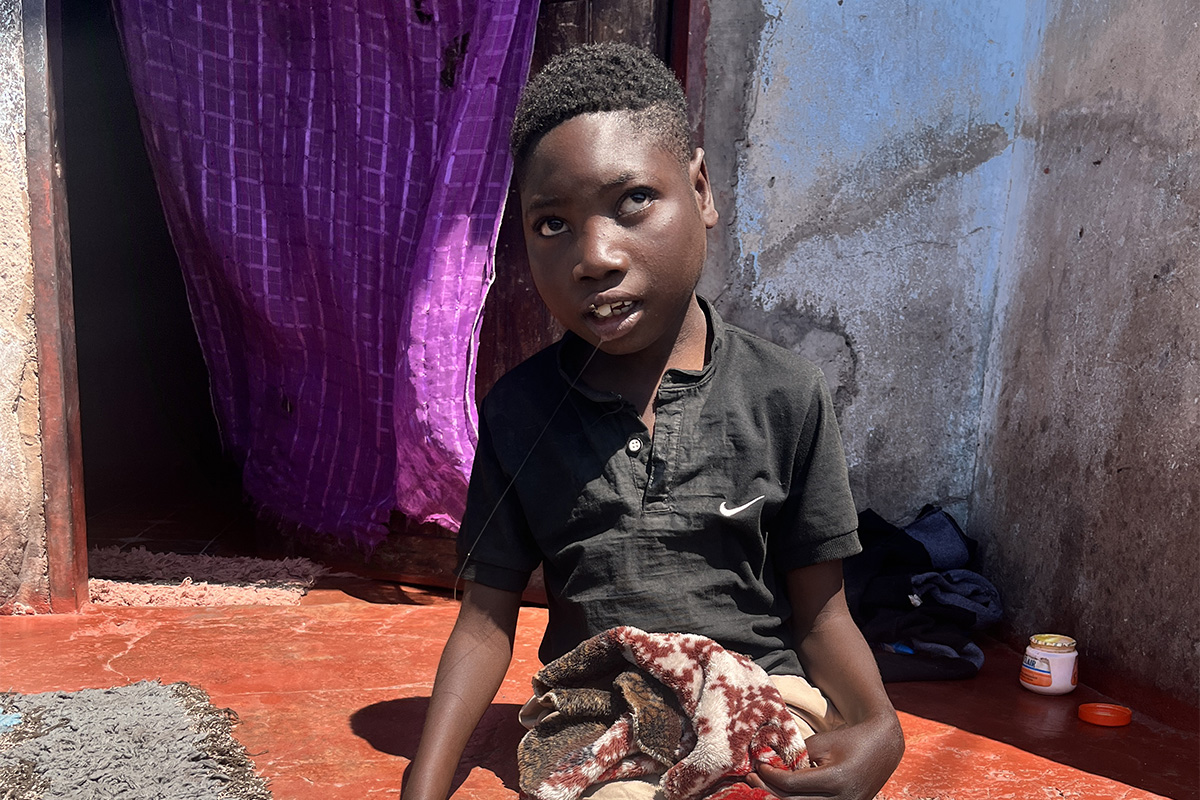
Wilson is especially vulnerable to the consequences of malnutrition
Wilson is a 14-year-old boy from Zambia who suffers from cerebral palsy and severe malnutrition. He depends entirely on his mother, Vivian, for daily care.
But with four other children to care for, Vivian struggles to make ends meet as a single parent. She sells charcoal for a living, but her income barely covers food.
Wilson needs constant access to nutritious food for his growth and health, but his mother can rarely provide it.
“I am a struggling mother,” Vivian said. “My son Wilson is malnourished because I am unable to provide the food he needs for his growth.”
Wilson’s story is heartbreaking, but what’s even more heartbreaking is that it’s far from unique. Every morning, millions of children around the world wake up not knowing if they’ll have something to eat before they go to bed again.
World Help: Bridging the Gap
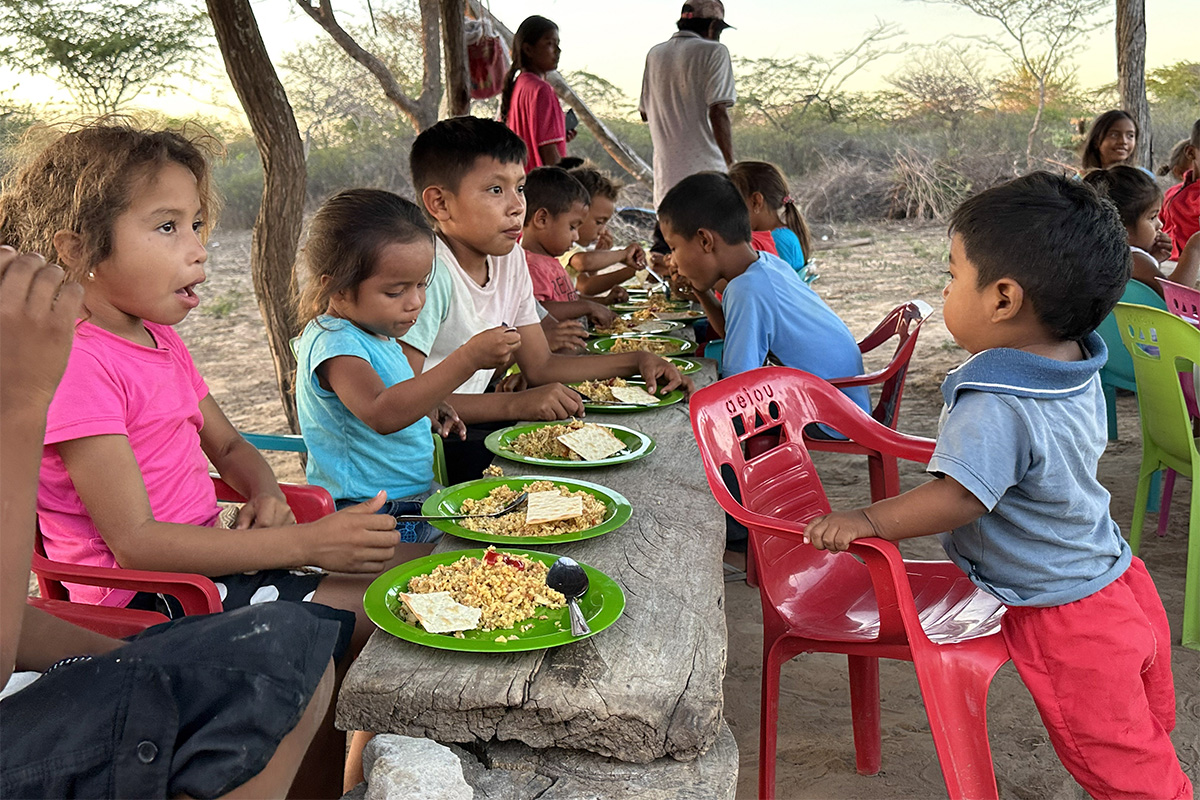
Through the generosity of World Help supporters, starving children are receiving lifesaving food
World Help is committed to providing lifesaving food to starving children in countries like Haiti, Iraq, Zambia, Peru, and beyond. We know that for a child, a plate of food is more than just physical relief — it also represents hope for a healthier tomorrow. It represents a future without hunger.
When you choose to give through World Help and feed a child on the brink of starvation, you help save a life and remind them they’re not alone.
Will you be the hands and feet of Jesus for a malnourished child?
Every $30 Helps Save a Life
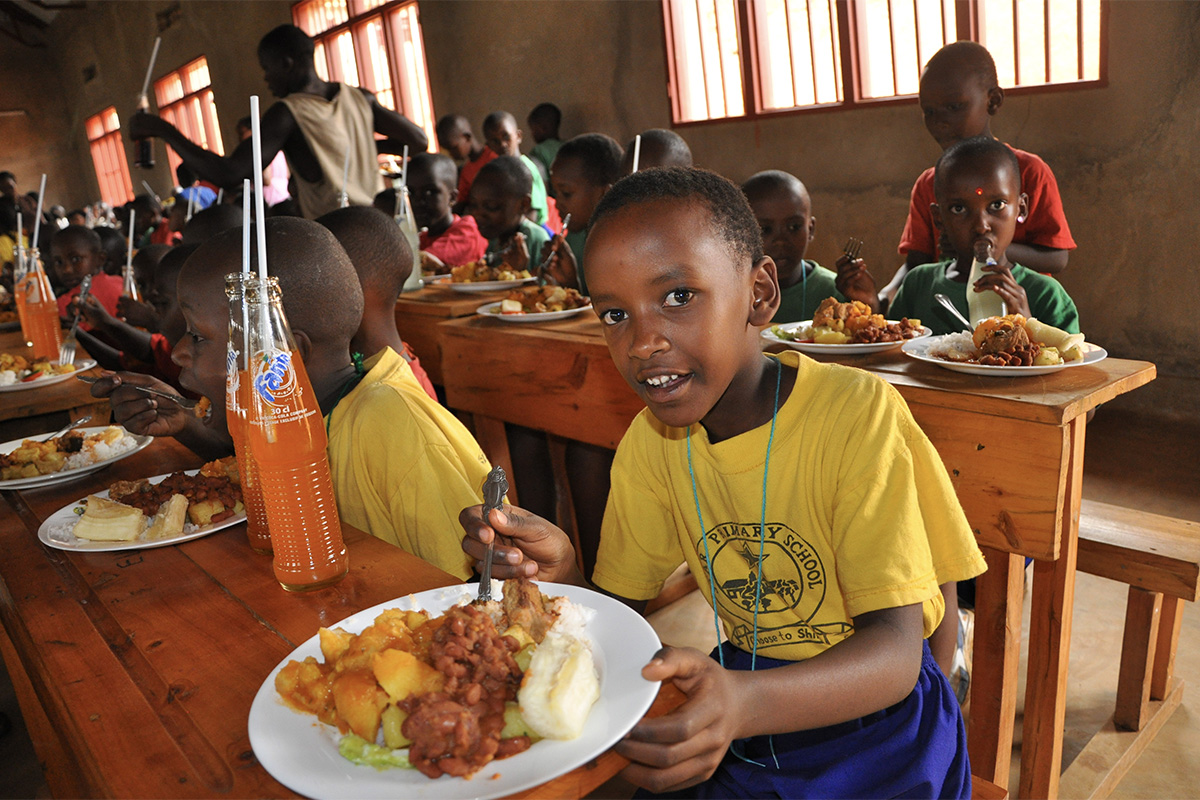
Your gift of nutritious food will help save lives
All it takes is $30 to provide a hungry boy or girl with nutritious meals for an entire year.
Your gift will give children the nutrients they need to grow up strong and healthy — but you’ll do so much more than meet an urgent physical need. You’ll help them pursue brighter futures and break the cycle of malnutrition and poverty forever.
And that’s not all. Your support will also open the door for them to hear about the love of Jesus and experience it firsthand … some for the very first time.
You will truly make an impact that will outlive you and last for eternity.
Click the button below to learn more or give now.