




Around 2.1 billion people worldwide lack access to clean water. That’s one-fourth of the world’s population.
During the hottest months of the year, most of us simply turn on the faucet or grab a bottle of water without thinking twice. But for many people around the globe, finding clean water to drink is a daily struggle. And when temperatures rise, the risks become even greater.
While the average human can survive for weeks — and in some circumstances, even months — without food, that timeframe shrinks to just three days without water.
At first, the effects of dehydration are mild: dry lips and mouth, sore throat, and a general feeling of thirst.
But what happens when you can’t get to a source of water?
You may become fatigued and develop a headache. You’ll also find it harder to focus. As dehydration progresses, your skin becomes dry, dizziness sets in, and your eyes may stop producing tears.
Eventually, severe dehydration causes your body to begin shutting down. Blood pressure drops, seizures can occur, and vital organs begin to fail. If you don’t get to water quickly, death will follow within days.
That’s why access to clean water isn’t simply a convenience — it’s essential for life.
Why Don’t People Have Access to Clean Water?
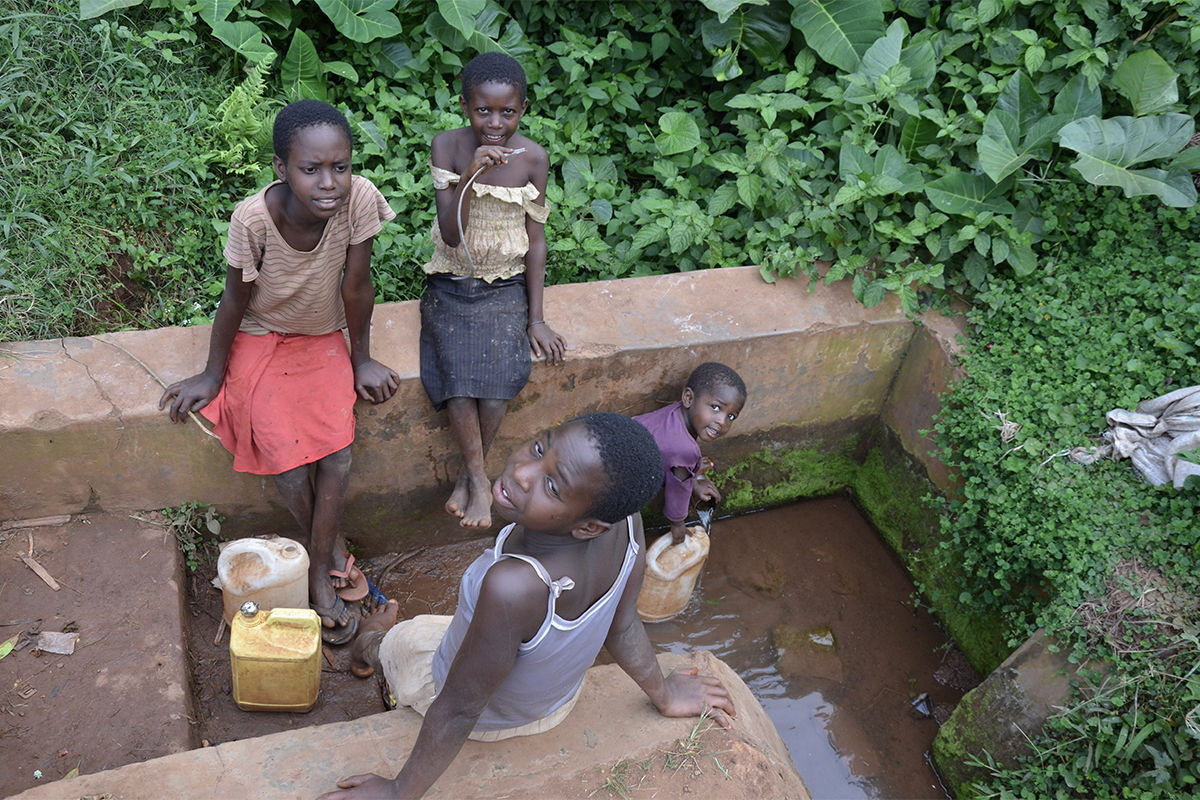
A variety of factors contribute to water scarcity
The global water crisis has many causes, and they’re often interconnected.
In some places, poverty prevents communities from building or maintaining wells and water systems. In other places, prolonged droughts, rising temperatures, and changing weather patterns dry up traditional water sources.
Conflicts and natural disasters can also destroy pipelines, wells, and water treatment facilities, leaving families without access to safe drinking water for weeks or even months.
While the causes vary from place to place, the result is the same: millions of families lack the clean water they need to survive.
What Happens When People Don’t Have Clean Water?
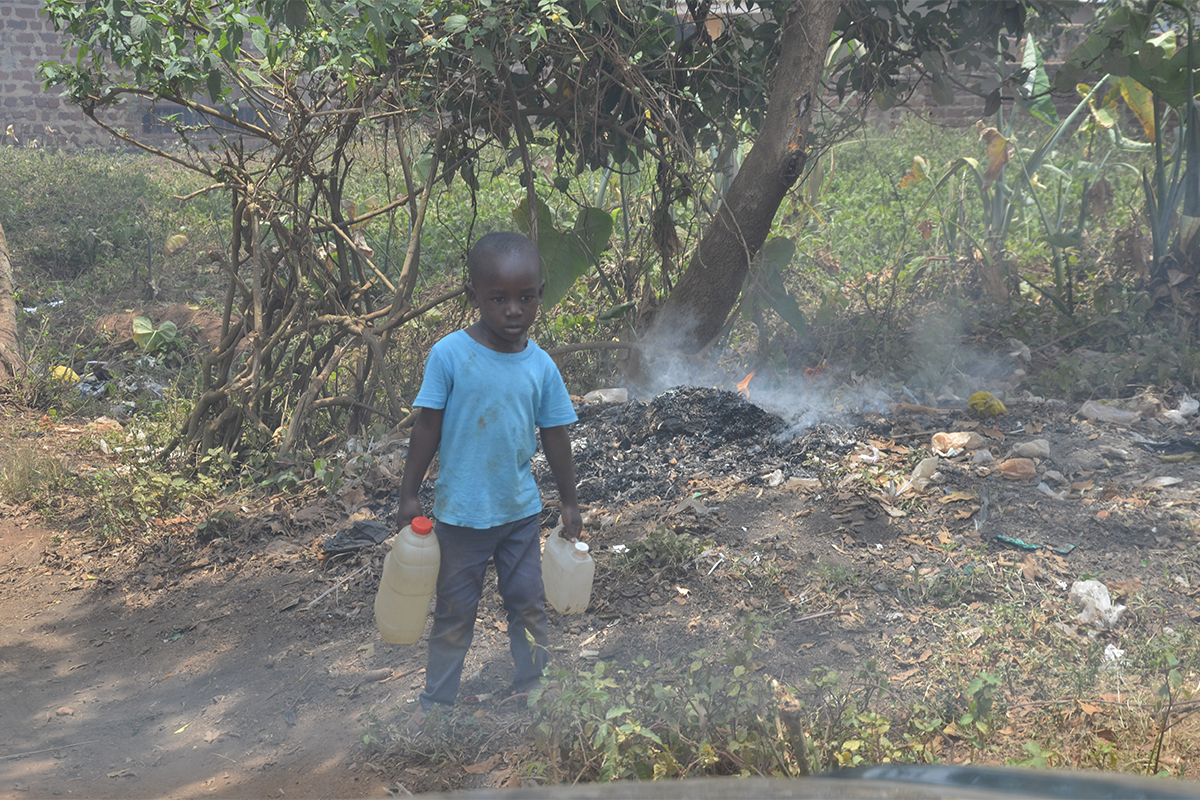
A lack of clean water affects health, livelihoods, education, and career opportunities
When clean water is scarce, every part of daily life is affected.
Instead of attending school, working, or caring for their families, women and children often spend hours each day walking to collect water. These journeys can be dangerous, and carrying heavy containers over long distances can cause injuries.
Most of the time, the water they collect isn’t even clean. Instead, it’s riddled with insects, waste, and dangerous bacteria that can make them sick.
Children are especially vulnerable to waterborne diseases like cholera, typhoid, and hepatitis. Every two minutes, a child dies from a waterborne illness or a sanitation-related sickness.
Families are often forced to make an impossible choice: drink the contaminated water and risk serious illness … or go without water and suffer the life-threatening effects of dehydration.
Without clean water, it’s also difficult to maintain proper hygiene and sanitation. This increases the risk for other life-threatening illnesses and can keep people trapped in poverty.
How Does Water Scarcity Keep Families in Poverty?
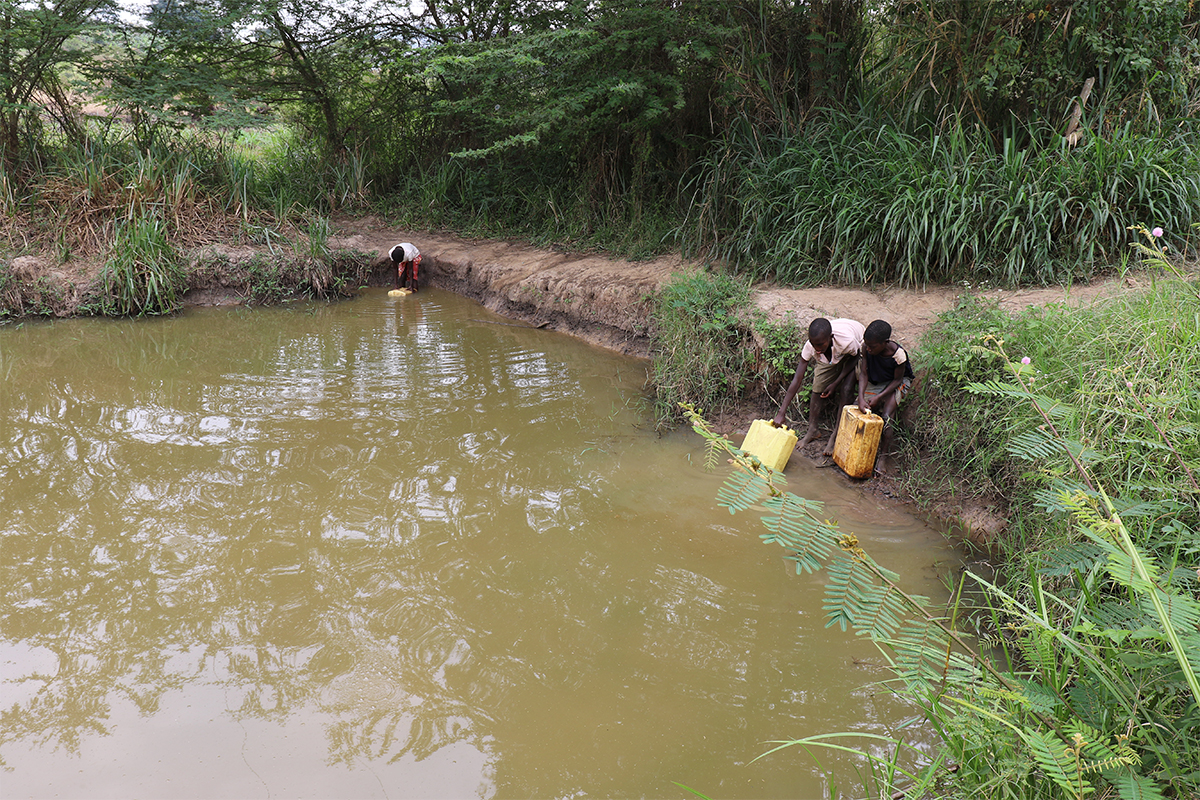
Water scarcity doesn’t just threaten lives — it also keeps people trapped in poverty
The connection between water scarcity and poverty is devastating and undeniable.
Without reliable access to clean water, farmers struggle to grow crops. Harvests fail, food supplies shrink, and prices increase — making it even harder for families to afford nutritious meals.
Children who are sick from contaminated water often miss school or struggle to concentrate in class.
Without a quality education, they’ll grow up without the skills and resources they need to find a stable job or enter a successful career. Most likely, they will end up in low-paying jobs, continuing the devastating cycle of poverty.
If water isn’t available at all in a community, its residents are often forced to buy bottled water, leaving less money for food, healthcare, education, and other basic necessities.
A lack of clean water doesn’t just create a health crisis — it affects education, food security, economic opportunity, and the future of entire communities.
How Can You Help End the Global Water Crisis?
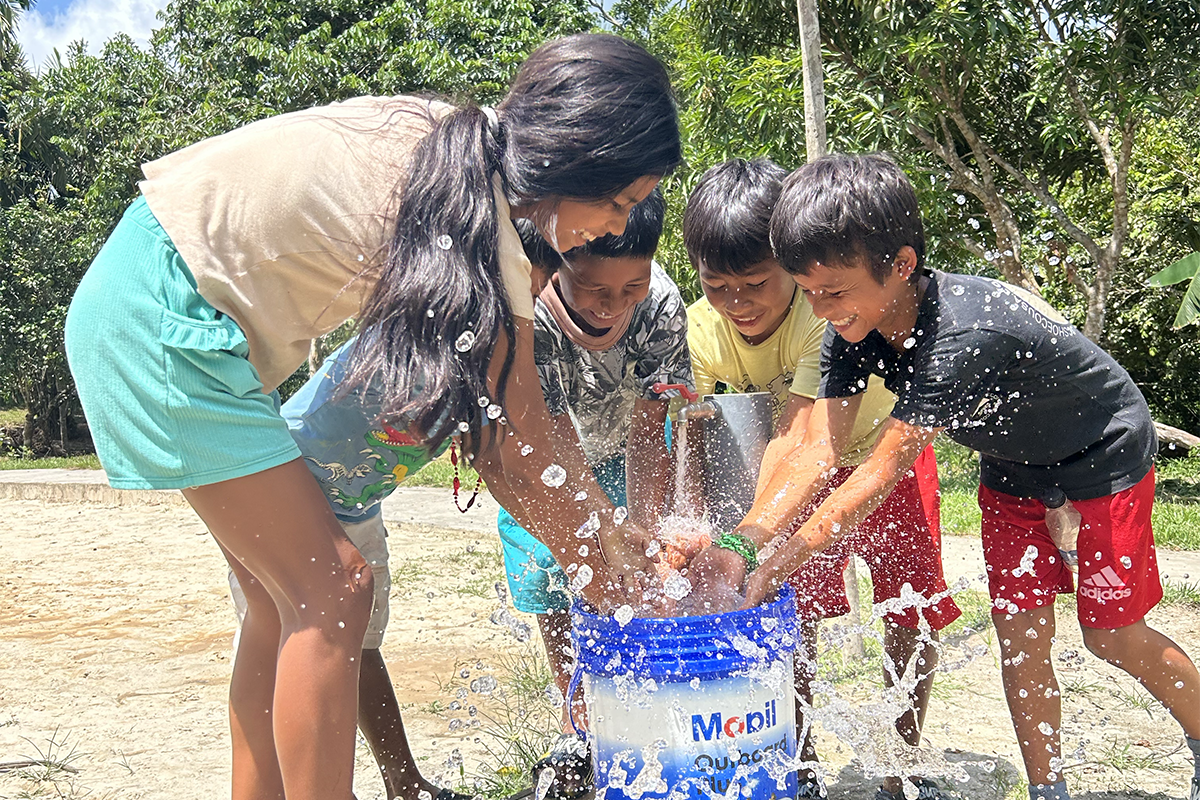
You can provide the transforming gift of clean water today
Everyone should have access to clean, safe drinking water, no matter their situation or financial status. Solutions are available, but they’re often unaffordable for impoverished, rural, or crisis-affected areas.
Most of the time, the construction of a water well or water purification system is the only thing standing between a hurting community and stable access to clean drinking water.
At World Help, we work alongside trusted local partners worldwide to provide clean water solutions that save lives and create lasting change.
For just $15, you can provide someone in need with clean water for an entire year. Your gift helps protect families from waterborne diseases, improves health, and creates opportunities for children and adults to build a brighter future.
Most importantly, meeting a physical need like clean water opens the door for local churches to share the hope of the Gospel and introduce people to the Living Water of Jesus Christ.
Want to make an even greater impact? You can fund an entire clean water well for a community in urgent need. Your generosity will open the door for hundreds of people to access clean water and make an impact for years to come.
Together, we can help ensure that more families experience the life-changing gift of clean, safe water.