



Can you believe Easter Sunday is tomorrow? While you may have seen cute bunnies and Easter egg decorations pop up around local businesses and neighborhoods, Easter holds a deeper meaning: it’s a special day to celebrate the resurrection of Jesus Christ.
Here in the U.S., we have the freedom to celebrate by reading and reflecting on the accounts of Christ’s resurrection found in God’s Word. But as Christians in countries like Malawi, China, and Iran prepare to observe Easter, many don’t have Bibles of their own.
Keep reading to find out why:
Malawi
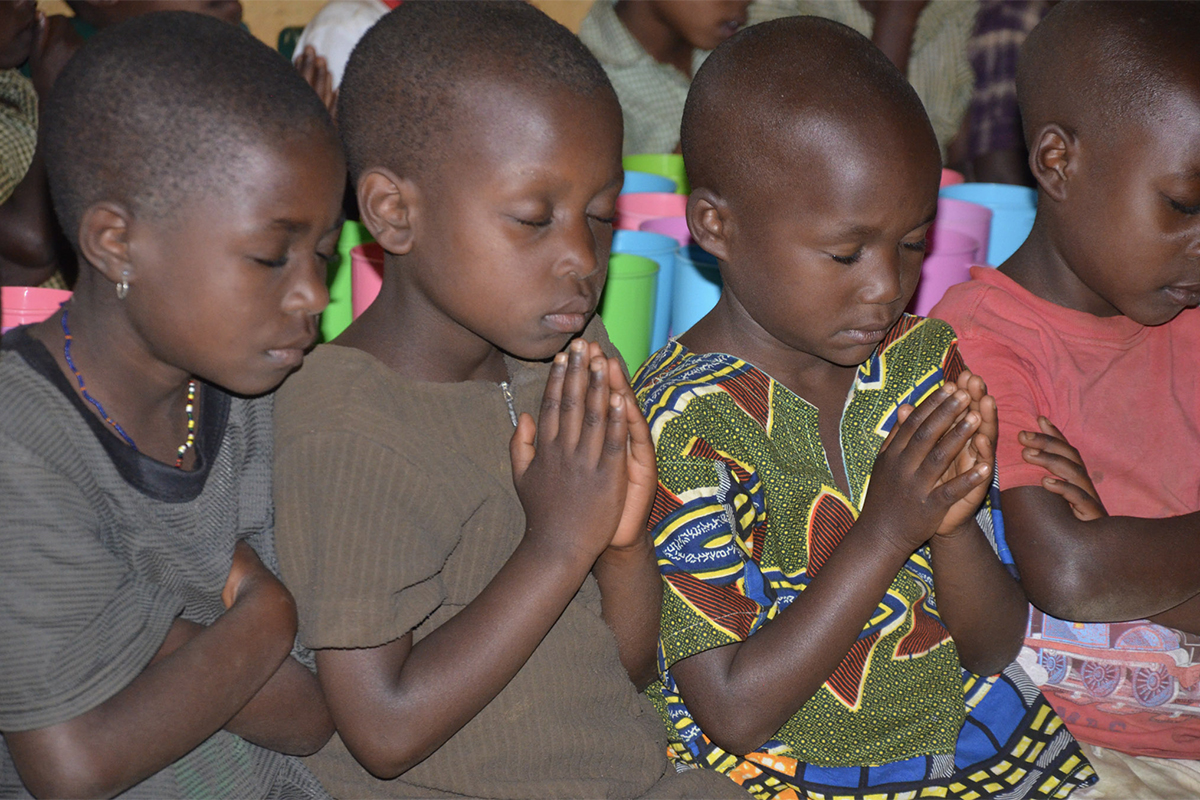
Easter Sunday is a major holiday in Malawi, but many people living in poverty must celebrate without a Bible
Over 68 percent of Malawi’s population is Christian, so Easter is a major holiday throughout the country. During the weekend leading up to Easter, churches often hold special revivals. These revivals culminate in a big celebration on Easter Sunday, with choir performances, plays, and dancing.
Many congregations also march around their church or community five times while singing, dancing, and carrying palm branches. This tradition memorializes Jesus’ triumphant entry into Jerusalem shortly before His crucifixion.
Unlike many countries, Christians in Malawi also celebrate Easter Monday, sometimes called Bright Monday or Renewal Monday. It’s considered a public holiday and marks the end of Holy Week.
But even though Easter is widely observed in Malawi, many Christ-followers and seekers don’t have their own Bibles to celebrate with. With half the population living in poverty, Bibles are often hard to reach for families struggling just to put food on the table.
As a result, many Malawian Christians must spend Easter without God’s Word.
China
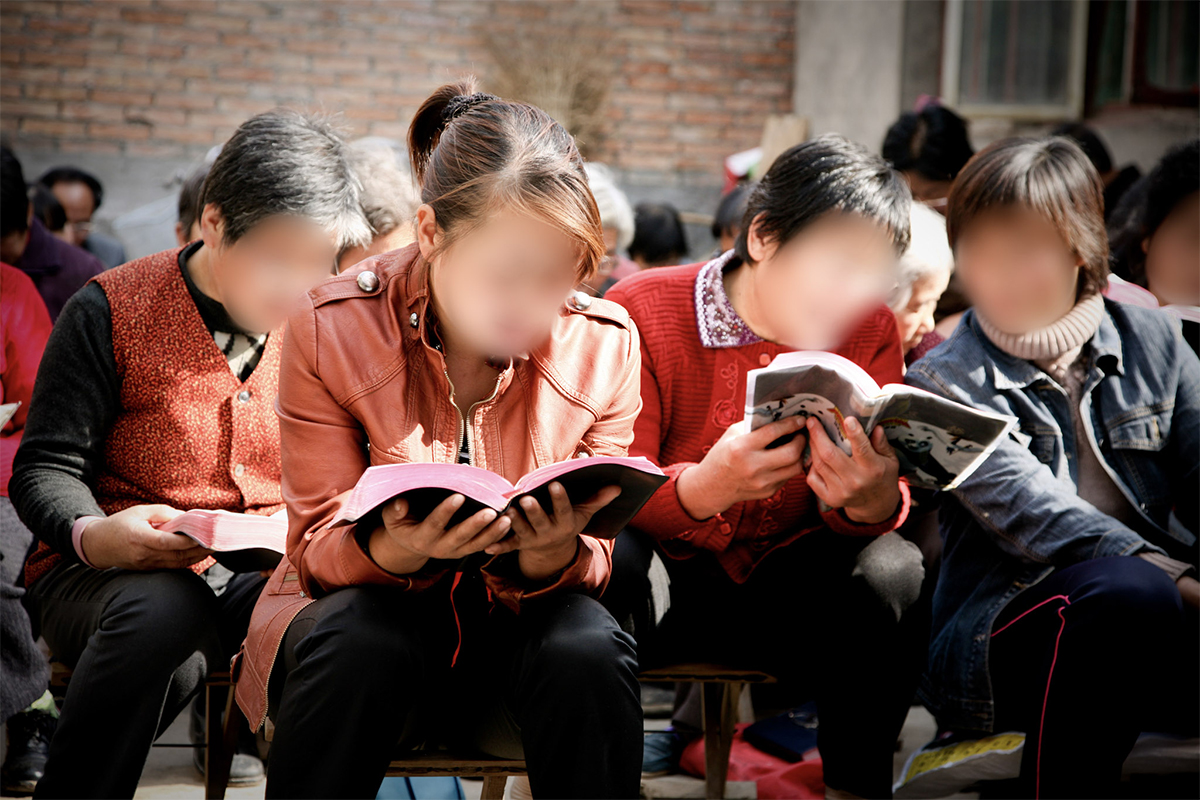
Chinese Christians are often prohibited from holding major Easter celebrations
Unlike Malawi, Easter is not a major holiday in China. It’s considered a Western holiday by the country’s communist government, and celebrations are actively discouraged.
Some established churches are permitted to celebrate Easter, but children under 18 are not legally allowed to attend. In recent years, they’ve also been pressured to change how they celebrate to align more with communist party values.
But that doesn’t stop Chinese Christians from celebrating in secret. They might hold small, intimate gatherings where they whisper simple prayers and reflect on the resurrection of Christ.
Even so, many Christ-followers don’t have Bibles of their own. They can only be sold through government-approved publishers, and many Christians either can’t afford them or live too far away from the few places that sell them.
Iran
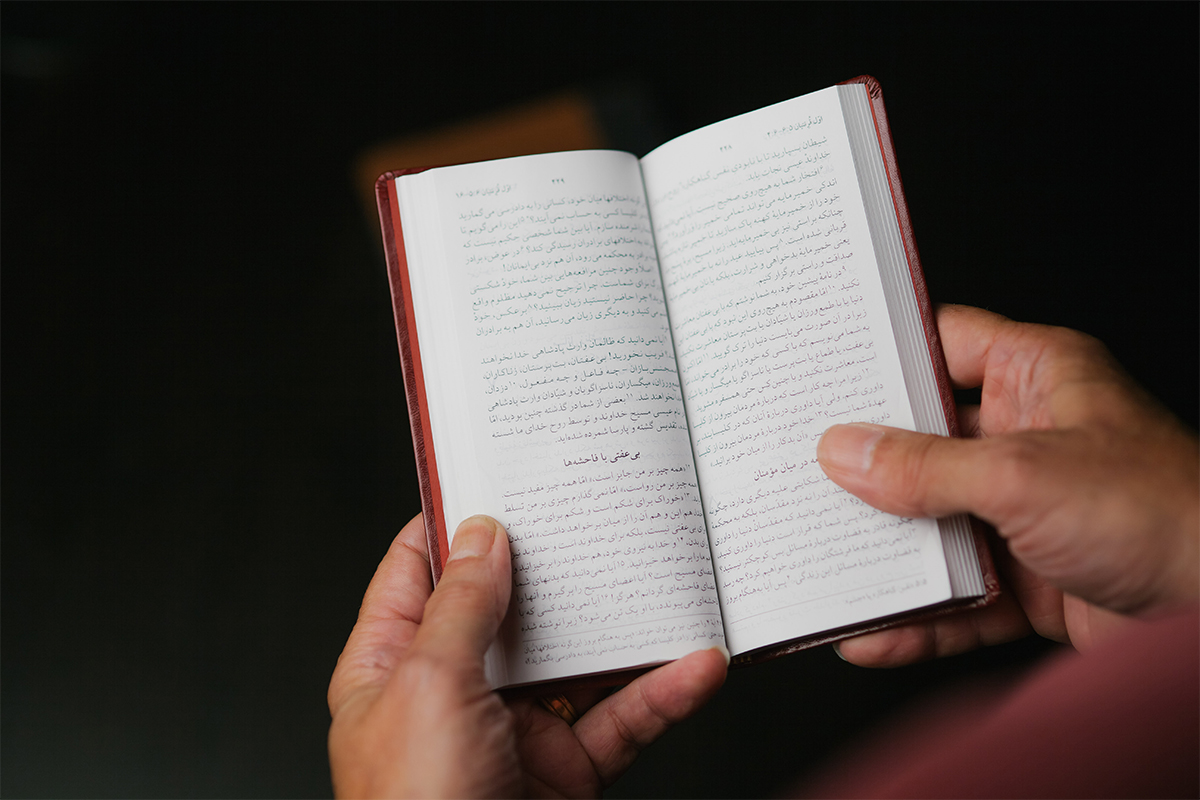
Christians in Iran often celebrate Easter without God’s Word because Bibles are illegal
In Iran, converting to Christianity is a crime, and Christ-followers are often heavily scrutinized and treated as second-class. Sadly, more arrests are typically made around holidays like Easter.
As a result, Iranian Christians must be extra careful if they want to celebrate Easter. They usually observe the holiday a few weeks later to avoid suspicion.
As the Iranian government continues to crack down on Christianity, public celebrations are few and far between. Instead, Christ-followers often gather in small groups to cook delicious meals and hold private festivities.
To make matters more difficult, selling and owning Bibles is illegal in Iran. Many Christians don’t have their own copies of God’s Word and can’t read the story of Christ’s resurrection during Easter. The only time they have access to Scripture is if one of their trusted friends has a Bible.
Give Bibles This Easter
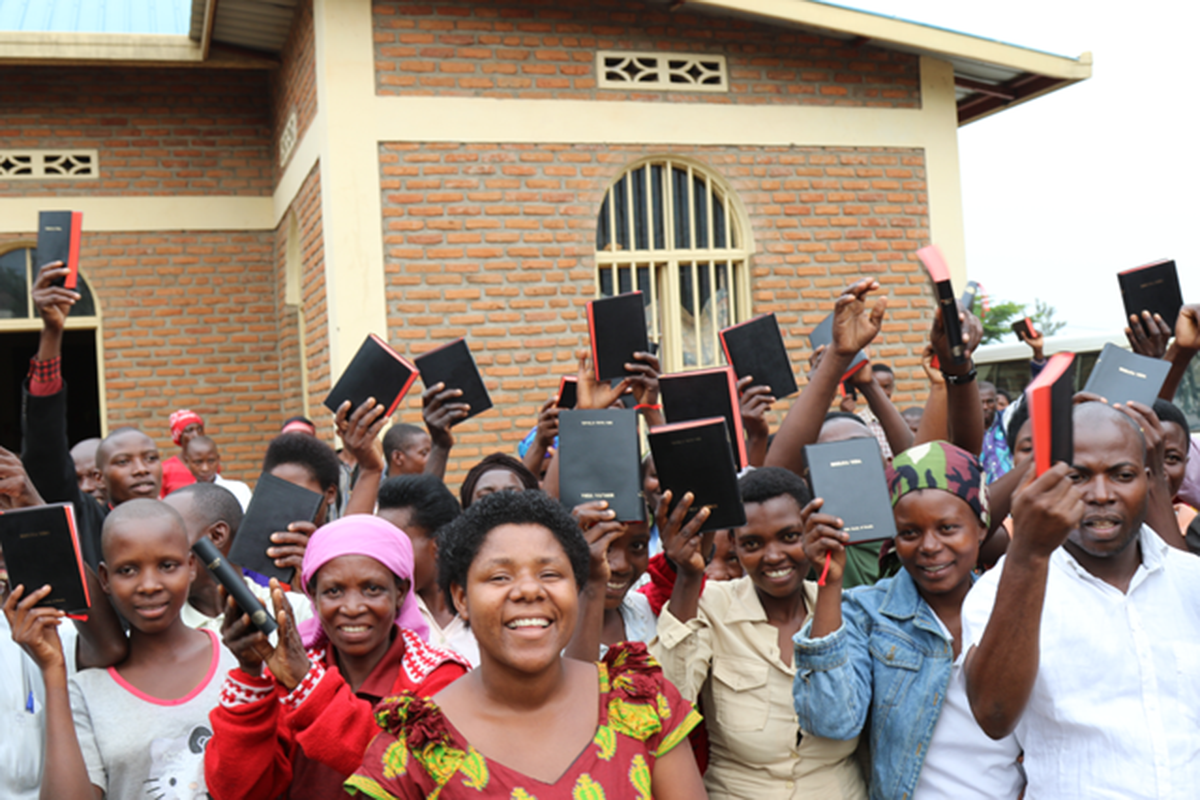
Your gift of just $12 will ensure a Christ-follower receives their very own Bible!
Can you imagine spending Easter without God’s Word? That’s the reality for countless Christ-followers and seekers around the world. They’re praying for Bibles of their own … and you can be the answer to that prayer.
When you give just $12, you’ll provide a Bible to one Christ-follower or seeker. And since they’ll likely share with family and friends, each copy will impact around five people with God’s Word!
You can ensure Christians around the world have access to God’s Word on Easter — and every day of the year.
Click the button below to learn more.