




A funeral procession makes its way through Manila’s expansive North Cemetery. They walk past rows of concrete tombs, which are placed above ground rather than buried, according to Filipino cultural practice.
The atmosphere, however, is far from mournful. Banging drums and energetic chatter mingle with the sounds of children’s laughter, women talking as they cook and clean, and people rushing to work … people going about their daily routines.
It may seem unusual at any other gravesite. But for the bustling communities inside Manila’s cemeteries, it’s just everyday life.
Children chase each other around concrete tombs. Women clean their makeshift homes inside small mausoleums. People travel to their jobs — cleaning graves, making headstones … and leading funeral processions.
These families have been forced to make their living among the dead. And it exposes a growing problem affecting Manila’s communities.
There simply isn’t any more space.
Too Close for Comfort
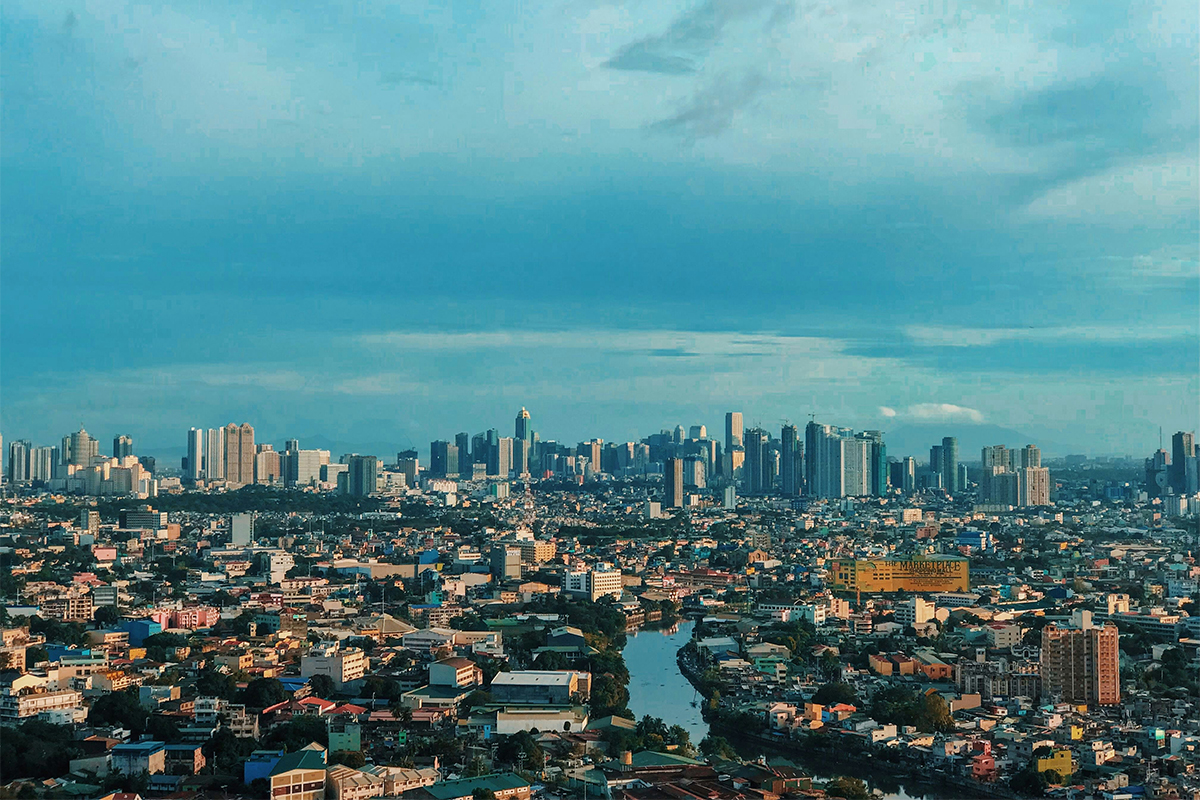
Almost 15 million people currently live in Metro Manila
Manila is one of the most densely populated cities in the world, with an average of 119,000 people crammed into every square mile. That’s over four times as dense as New York City.
Situated on the northwestern coast of one of the country’s 7,641 islands, Manila is a major hub for finance and shipping. Its booming economy has attracted countless people from rural areas searching for a better life.
But with no room to expand, the city’s ballooning population is creating a crisis — and people living in poverty are suffering the most. Impoverished families are taking up residence wherever there’s room, whether it’s underneath bridges, inside the city slums’ notoriously tiny homes … or in a cemetery.
Beneath the Surface
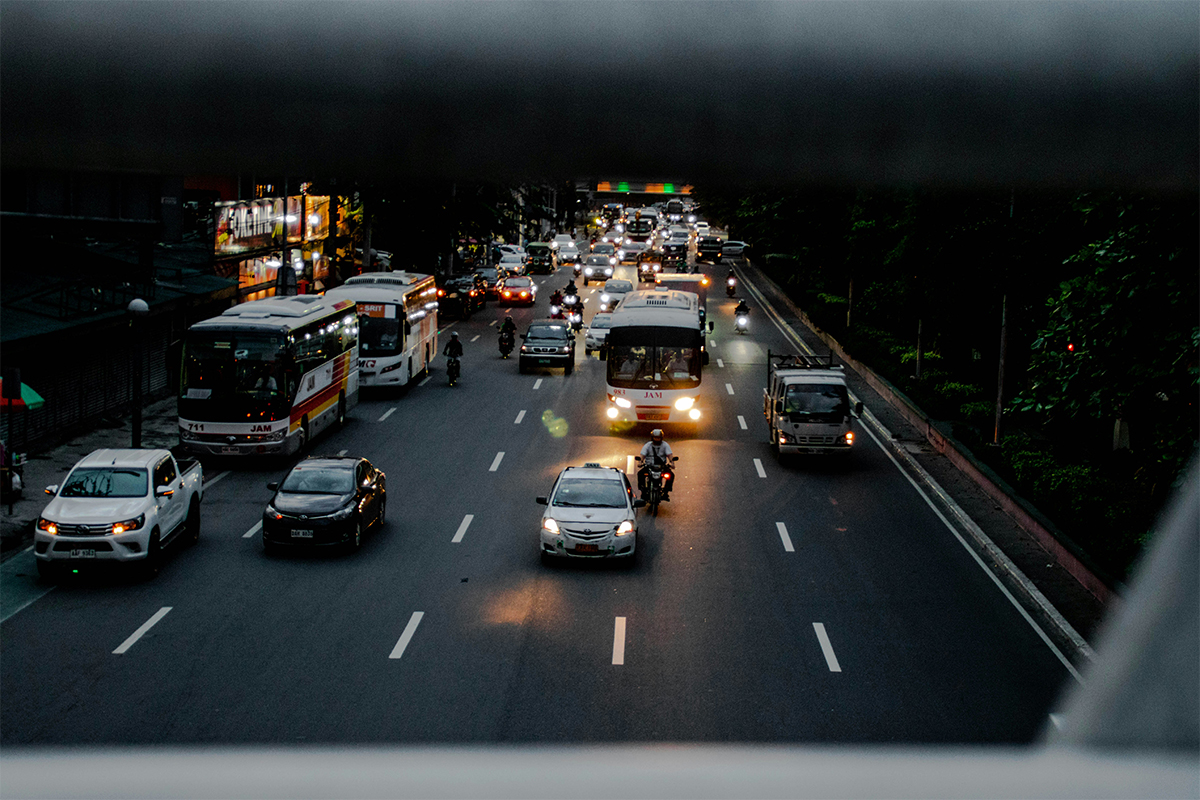
Hundreds of families live in makeshift houses under one of Manila’s main highways
The North Cemetery isn’t the only place communities have been forced to call home. Across the city, thousands of the city’s residents travel on Manila’s bustling roadways, unaware of the thriving neighborhoods just underneath their wheels, hidden beneath the city’s bridges and motorways.
Dark, winding pathways and small, makeshift houses form these hidden communities. With no space for windows, light has little opportunity to reach many of these homes. Additionally, Manila’s tropical climate results in high humidity, which often makes the air in these enclosed spaces damp.
During typhoon season, nearby rivers overflow, flooding the houses and forcing people into emergency shelters until the waters recede. Most of the time, they must rebuild their homes, knowing the structures won’t survive the next storm.
Many people living under Manila’s motorways work outside their communities in sectors like security, construction, and agriculture, where they often earn only the minimum wage.
As a result, they’re stuck in an unending cycle of poverty while suffering from the effects of an increasingly crowded city.
Living underneath Manila’s busy roads is dangerous, but for many people, it’s their only choice.
A Narrow Way of Life
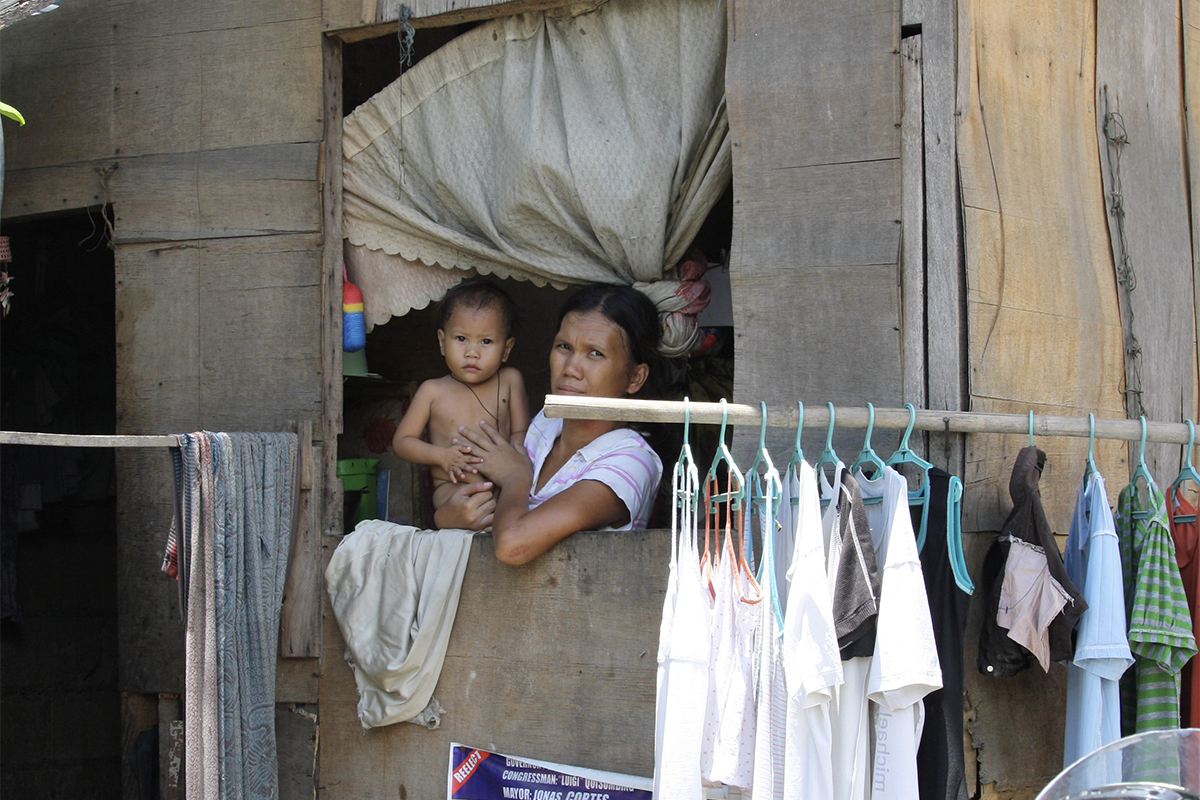
People living in Manila’s slums don’t have stable access to food, clean water, or medical care
On the other hand, living aboveground in the world’s densest city isn’t much easier.
Tondo, Manila’s largest district, has one of the highest population densities in the city, with over 128,000 people packed into every square mile.
Many homes are too small to accommodate the families living in them. People must crowd into tiny spaces with little to no privacy.
To make matters worse, many dwellings are haphazardly constructed from whatever materials people can find, posing a constant safety hazard. The Philippines is prone to natural disasters like flooding and typhoons, which can wreak havoc on these impoverished communities.
Electricity and running water are also scarce, making survival in these areas even more difficult. Overcrowding has made resources scarce, from everyday essentials to employment opportunities, and people struggle to find jobs with livable wages. With so many people crowded into such a small space, there simply isn’t enough to go around.
A Barrier to Education
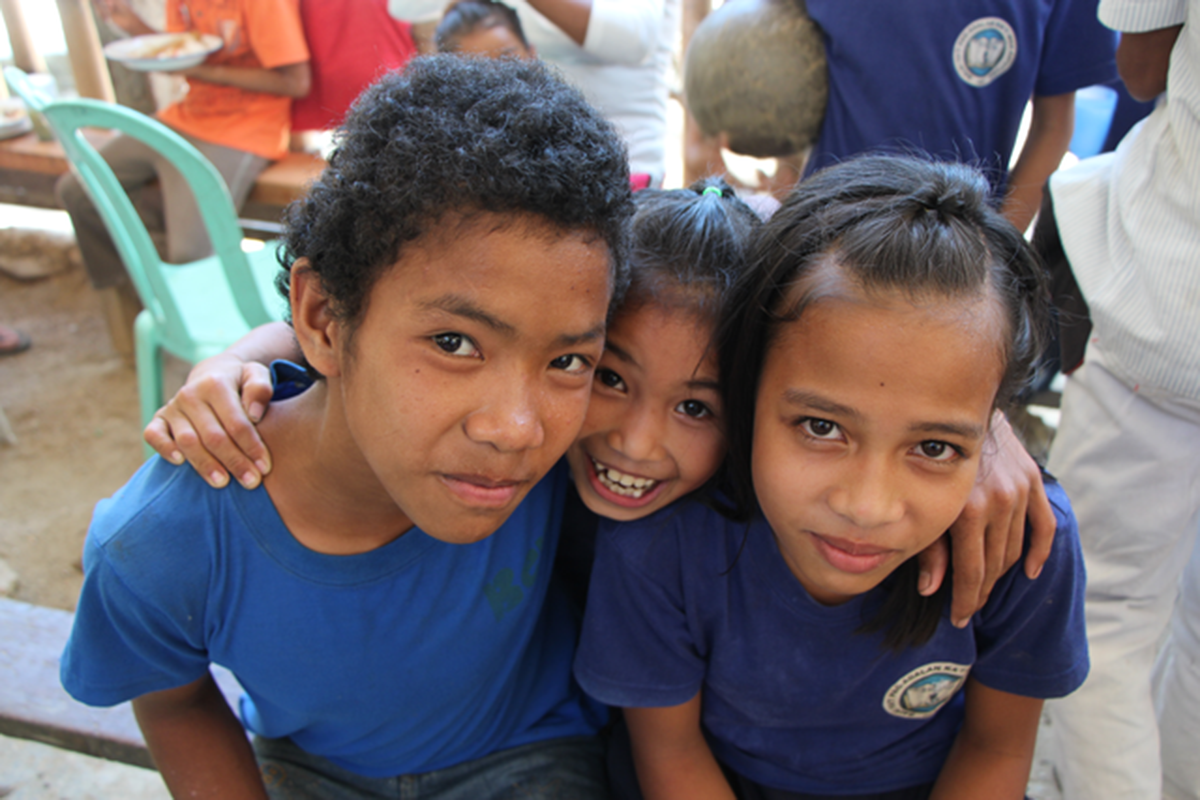
Overcrowded schools in Manila are struggling to accomodate rising numbers of students
Manila’s impoverished children are bearing the brunt of the overpopulation crisis. Over one million boys and girls are homeless and struggling to survive on the streets. Most of them don’t go to school.
Those who are fortunate enough to receive an education must attend overcrowded and underfunded schools. They often go to classes in shifts, with half the children attending in the morning and the rest in the afternoon.
Even then, many teachers end up with over 50 students in each class.
When the children go home, many don’t have enough food because their parents can’t afford it. They live in hazardous, crowded conditions without the essentials and space they need to thrive.
Sadly, many will never have the chance to pursue their dreams. But you can change a child’s life in the Philippines and give them a path to a better, brighter future.
The Impact of Child Sponsorship
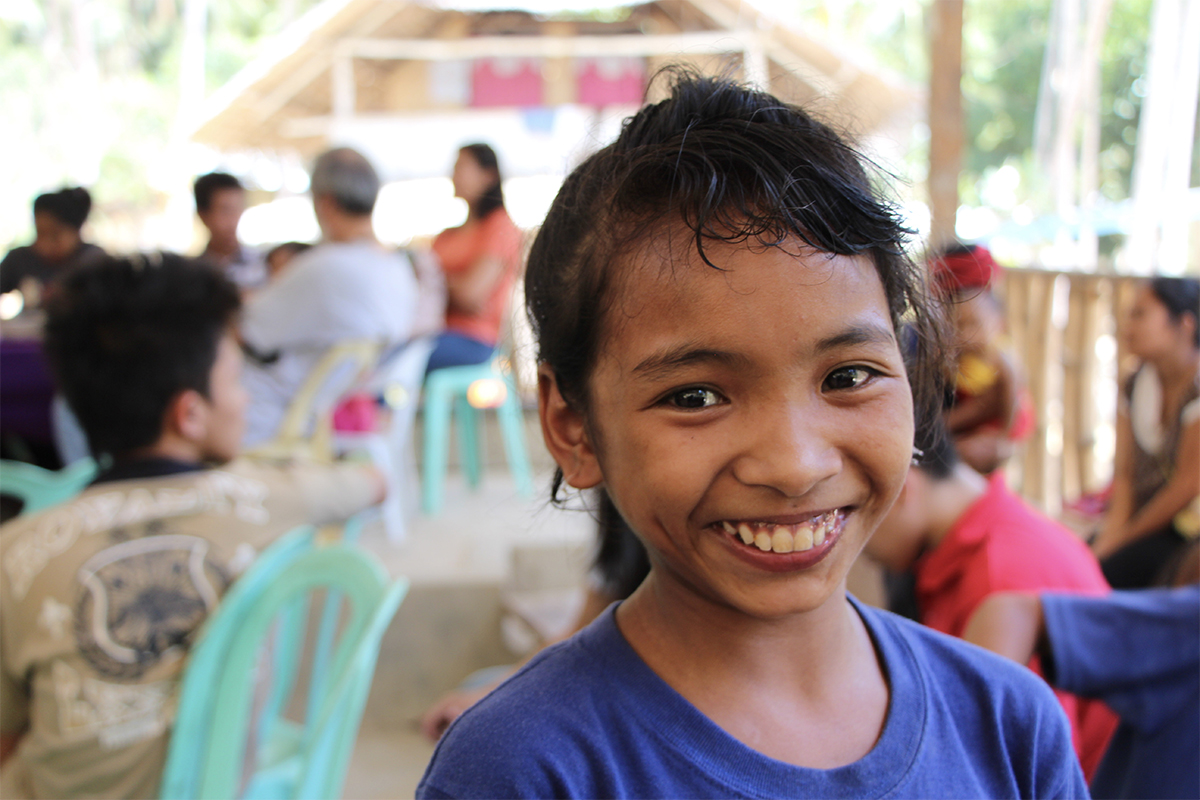
You can transform a child’s life through sponsorship!
When you sponsor a child in the Philippines or another country around the world, you’ll transform their life by providing the resources they need to grow up healthy and pursue a bright future — resources that they may never receive without help. Whether they live in a crowded city like Manila, or in a small, remote community, your sponsorship will make a child feel seen, loved, and hopeful for what tomorrow holds.
For just $40 a month, you’ll provide your sponsored boy or girl with essentials like food, medical care, educational opportunities, and the chance to learn about God’s compassionate love.
If you’re interested in taking the next step and becoming a sponsor, click the button below to learn more about how you can transform a child’s life.